


 교육
교육


- “올가을 페창가서 더 큰 즐거움·혜택 누리세요”
- 올트먼 “AI 혜택 위해 위험감수해야”…앤트로픽 규제론과 차별화
- “북한 청소년 생각하며 페달 밟아”
- 머스크, AI회사명 스페이스XSI로 변경 시사…트럼프 기조 맞추기
- 브라이언 박 목사, 미주 순회집회
- 내년 메디케어 플랜 설명회
close
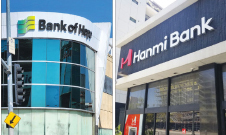
- 남가주 한인은행 자산 368억·자본금 43억달러 돌파
- 모기지 금리 7.28%로 ‘껑충’… 3년래 최고
- 고용 ‘급랭’… 9월 일자리 2만9천개 그쳐
- 조원태 회장 ‘아시아 최고 항공경영자상’
- 가주 경제 잘 나가는데 ‘고용 없는 성장’ 심화
- 가주 억만장자세 두고 민주당 갈등 증폭… “극과 극”
close

- 엄지성의 ‘화려한 등장’… 한국 축구 미래 밝혔다
- 아이치·나고야 AG 폐막… 4년 뒤, 혹은 5년 뒤? 도하에서 만나요
- 스쿠벌 6이닝 1실점 다저스 애틀랜타에 5-3… 기선 제압
- 3경기 만에 흔들린 모레노호, 우즈베키스탄 상대로 반전 노린다
- 신지애, 일본여자오픈골프 우승…30승·커리어 그랜드 슬램 달성
- 아이치·나고야 AG 폐막…4년 뒤, 혹은 5년 뒤? 도하에서 만나요
close
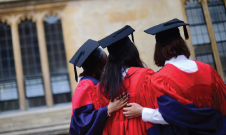
- 옥스포드 11년 연속 1위 독주… THE 2027 세계 대학 순위 발표
- 대학별 재정보조 신청서 ‘CSS 프로파일’…10월 1일부터 접수
- 리더십의 요건
- 성적은 떨어지고 경쟁은 치열 해진다, 부모는 무엇을 준비해야 하나
- “ED·EA 지원 전에 반드시 알아야 할 FAFSA와 CSS Profile 전략”
- Fear of a Violent Overthrow Of the US Government
close
- 노화가 질병이라면
- 송편·잡채 ‘칼로리 폭탄’ 추석 ‘급찐급빠’하려면
- 프로바이오틱스, 장 건강에 도움 되나?… 알약보다 식품으로
- [건강포커스] “불면증 있으면 뇌졸중 위험 26% 높아…치매·우울증과도 연관”
- “밤마다 발바닥이 ‘화끈화끈’ 잠 못자요”… 노화 신호 아닙니다
- “화상 입었을 땐 소주 부으라던데”… 옛말 믿었다간
close

- “인생엔 정답이 없다”… 모호함의 미학을 말하다
- ‘현대적 도시의 삶을 동경하는 소녀의 간절한 야심’
- 빠르고 우습고 지적인 스크루볼 코미디
- 일하는 행정도시?… 먹고 쉬는 도시! ‘편한’ 여행지 세종
- 스포트라이트와 그림자 사이, 논란이 서사를 완성시킬까
- 혼자 서명 거부한 여고생 ‘주인’이 마주한 세계
close

- ‘주방 완비’인데 ‘NO 스토브’?… 새 임대 규정 놓고 불화
- 코스트코 근처 집값 오른다?… 반드시 그렇지 않아
- 자산가들은 왜 여전히 세차장으로 향하는가
- 라미라다 주택의 숨은 매력, 단층집과 넉넉한 마당
- 전국적 주택 구매 최적 시기… 9월 말~10월 초
- 내 집 마련 올가을 노려라… 바이어스마켓으로 재편
close

- 에스파, 월드투어 LA 콘서트 시야제한석까지 전석 매진
- 보이넥스트도어, 日 오리콘 데일리 앨범 랭킹 1위
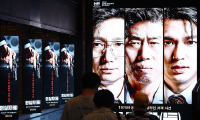
- 국힘, 싱가포르영화제 ‘암살자(들)’ 상영철회 추진…與 “영틀막”
- 캣츠아이, 英 싱글 차트서 ‘애니멀’ 26위· ‘후티 프루티’ 64위
- 전 세계서 옷 갈아입는 K-콘텐츠…예능·드라마 현지화 봇물
- 김재중 “거대 엔터시장이 비행기로 2시간, 안갈 이유 있을까요”
close
AI, Trust, and Learning to Question


Nathan Hwang 학생기자 브레아 올린다 고교 11학년
To be fair, deepfake technology isn’t automatically a bad thing. Filmmakers use it for special effects, historians use it to restore old footage, and some people use it to help others regain a voice they‘ve lost. But like a lot of powerful tools, it depends entirely on who’s using it and why. Lately, deepfakes have been showing up in scams, fake political videos, and other kinds of manipulation, and that‘s the part that should make people pay attention.
What makes deepfakes so tricky is how real they look. AI can now copy someone’s face, voice, and even their small mannerisms almost perfectly. Even government researchers have said that AI-generated content is getting harder to detect, which says a lot about how far the technology has come. It means we can‘t just trust a video or audio clip because it looks or sounds authentic anymore we actually have to think about where it came from.



Politics is one of the biggest areas where this becomes a problem. A fake video of a political figure saying something they never actually said can spread across social media faster than anyone can fact-check it. Interestingly, some researchers found that these videos aren’t necessarily more convincing than a written lie or a fake quote. But that doesn‘t make them harmless, they still add to a growing sense that you can’t fully trust what you see online, and that kind of doubt spreads.
Deepfakes are also being used for scams. There have been cases where someone‘s voice was cloned to trick a family member into thinking they were talking to a relative in trouble, or to impersonate a company executive asking for money. It’s a scary thought that a voice you‘d recognize instantly could be faked well enough to fool you.
So what can we actually do about this? Part of the answer is better technology, like tools that can detect AI-generated content or watermark it so people know what they’re looking at. But just as important is something simpler: teaching people, especially students like us, to slow down and question what we see online instead of accepting it right away. That kind of awareness doesn‘t require expensive software, it just takes a habit of asking, “Wait, is this actually real?”
AI isn’t going away, and honestly, it shouldn‘t as it has a lot of potential to make things better. But as it keeps getting more advanced, our ability to think critically about what we see might end up being just as important as the technology itself.
<Nathan Hwang 학생기자 브레아 올린다 고교 11학년>

로컬뉴스
more
“북한 청소년 생각하며 페달 밟아”
오렌지카운티 한인 커뮤니티에서는 자전거를 타면서 기금을 모금하는 ‘2026 Tour de California Tongil 3000’ 이벤트가 …
브라이언 박 목사, 미주 순회집회
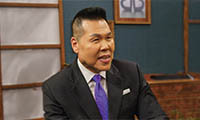
‘저스트 지저스’(Just Jesus)의 대표 브라이언 박 목사(사진)가 이번달 오렌지카운티와 LA, 뉴저지를 잇는 ‘리바이벌 인 아메리카’ …
내년 메디케어 플랜 설명회
가든그로브 한인회관에 사무실을 두고 있는 ‘명심보험’(대표 애니 심·사진)은 2027년 메디케어 플랜을 미리 알아보고 자신의 상황에 맞는 혜택…
내일 무료 건강 박람회 한인의사협회 남가주 지회
‘한인의사협회 남가주 지회’(회장, 마이클 오 KAMASC)는 내일(3일, 토) 오전 8시 30분부터 낮 12시까지 풀러튼 소재 오렌지한인교회…
“이사 및 전문 위원 모집해요”
한인 시니어 삶터(KSLC, 회장 배상도)는 오는 10일(토) 오전 11시 부에나팍 사무실(7342 Orangethorpe Ave. #B-10…
사람·사람들
more
한국일보 안내광고
- 렌트/리스/하숙
- 구인구직
- 중고차
- 전문업체



- 1
 메디케어 가입자에 90불씩… 트럼프 “파트B…
 - 2
 1억불 투자손실 끝 비극… 한인 디자이너 남…
 - 3
 브라이언 박 목사, 미주 순회집회
 - 4
 “북한 청소년 생각하며 페달 밟아”
 - 5
 영주권 소지 한인 과학자, 미 공항 … 2
 - 6“이사 및 전문 위원 모집해요”
- 7
 내년 메디케어 플랜 설명회
 - 8
 스쿠벌 6이닝 1실점 다저스 애틀랜타에 5-…
 - 9
 한인 대학생 뺑소니 차에 치여 사망
 - 10
 스트레이 키즈도 ‘그래미 보이콧’
- 11
 엄지성의 ‘화려한 등장’… 한국 축구 미래 …
 - 12
 살인 혐의 무죄 경비원에… 피살 한인 유족 …
 - 13
 오키나와 주둔 미 해병대… 현지 여성 강도살…
 - 14
 폭염 뚫고 힘찬 행진… 한인사회 자긍심 ‘우…
 - 15
 취업허가 등 이민국 신청 수수료 또 오른다
 - 16
 [중간선거 D-29] 공화 텃밭까지 ‘파란 …
 - 17“2만6천불 또 내라니”… 콘도 특별분담금 ‘폭탄’ 급증
- 18
 ‘파라타항공’ 내년 LA취항 준비 본격화
 - 19
 헐버트 기념비·흉상 버몬트주에 세워져
 - 20
 코넬대 “투명성·책임강화”… 집단성폭행 의혹…
- 21
 한·중·일·티벳·멕시코 전통문화 한자리… 다…
 - 22
 트럼프에 등돌린 라틴계… 민주 59%·공화 …
 - 23
 세대·문화의 벽 허물고 하나로… 올림픽길 ‘…
 - 24
 “올가을 페창가서 더 큰 즐거움·혜택 누리세…
 - 25
 조원태 회장 ‘아시아 최고 항공경영자상’
 - 26고용 ‘급랭’… 9월 일자리 2만9천개 그쳐
- 27백악관도 ‘돌파 감염’ “바이든과 접촉 없어”
- 28
 아이치·나고야 AG 폐막… 4년 뒤, 혹은 …
 - 29LG전자 ‘AIDC 열기’ 잡는다… 미국에 칠러공장 신설
- 30
 뉴욕 메트로폴리탄 미술관 정면 외벽 채운 제…









오피니언
 옥세철 논설위원
호르무즈 장악… ‘이제 시간은 미국편’
 조옥규 수필가
 약속
 메건 매카들 워싱턴포스트 칼럼니스트
 [메건 매카들 칼럼] 코넬대 사건이 던진 불편한 ‘동의’의 문제
-
[새벽 빛 편지] 나는 도쿄대 법학부를 나왔습니다
- 김정곤 / 서울경제 논설위원
[만화경] 헤지펀드 제왕의 대학 기부

음주운전, 더 이상 설 자리 없다
-
제53회 코리안 퍼레이드에 동참을
- 최윤필 한국일보 기자
[기억할 오늘] 온 우주가 당신을 돕는다?
- 이재묵 한국외대 정치외교학과 교수
[백상논단] 우리는 어떤 공직자를 원하는가
1/3
지사별 뉴스

내일 코리안 퍼레이드⋯“맨하탄서 만나요”
‘2026 코리안퍼레이드 및 페스티발’이 3일 뉴욕한인회 주최, 뉴욕한국일보 주관으로 세계의 수도 뉴욕시 맨하탄 한복판에서 성대하게 펼쳐진다.…
푸드스탬프 인상…1인 최대 306달러

‘MD 건강검진의 날’250명 혜택
워싱턴한인복지센터(이사장 존 김)가 지난 26일 저먼타운에 위치한 휄로쉽교회(담임목사 김대영)에서 ‘MD 건강 검진의 날’ 행사를 열어 총 2…
VA 공화 우세지역 2곳⇨접전

추석 맞아 다채로운 전통문화 체험 행사 열어
실리콘밸리한국학교(교장 연민수)는 지난 9월 26일 추석을 맞아 ‘강강술래’, ‘달맞이 소원빌기’, ‘송편 만들기’ 등 다양한 전통문화 체험 …
K-POP 보이그룹 빅오션 콘서트













 | ||
|



- 로그인
- 회원가입
Koreatimes.com 서비스는 Ktown1st.com과 통합계정입니다. 계정이 없으신 분은 회원가입을 해 주세요.
.png)



댓글 안에 당신의 성숙함도 담아 주세요.
'오늘의 한마디'는 기사에 대하여 자신의 생각을 말하고 남의 생각을 들으며 서로 다양한 의견을 나누는 공간입니다. 그러나 간혹 불건전한 내용을 올리시는 분들이 계셔서 건전한 인터넷문화 정착을 위해 아래와 같은 운영원칙을 적용합니다.
자체 모니터링을 통해 아래에 해당하는 내용이 포함된 댓글이 발견되면 예고없이 삭제 조치를 하겠습니다.
불건전한 댓글을 올리거나, 이름에 비속어 및 상대방의 불쾌감을 주는 단어를 사용, 유명인 또는 특정 일반인을 사칭하는 경우 이용에 대한 차단 제재를 받을 수 있습니다. 차단될 경우, 일주일간 댓글을 달수 없게 됩니다.
명예훼손, 개인정보 유출, 욕설 등 법률에 위반되는 댓글은 관계 법령에 의거 민형사상 처벌을 받을 수 있으니 이용에 주의를 부탁드립니다.
Close
x