


 교육
교육


- 트럼프 2기 남가주서 1만5천명 ‘추방’
- ‘연방 사기’ 전방위 수사 자산 동결·몰수 등 강화
- 집단 성폭행 의혹 한인 ‘명문가 손자’였다
- 노벨경제학상에 ‘거시경제 안정성’ 미국 교수 2명
- ‘한국 스파이 혐의’ 수미 테리가 받은 돈 연방검찰 “국정원 최고위층이 줬다”
- 9·11 순직 한인 “당신을 기억합니다”
close
- 가주 소득세 신고 연장 15일 마감“서둘러야”
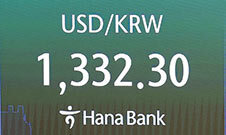
- 달러는 강세, 원화는 1,330원대 하락… 환율 ‘엇박자’
- “글로벌 최고 수준 안전운항”… 대한항공·아시아나 통합 조종사 안전회의
- 제30차 세계한인경제인대회 폐막
- “보험료 폭리 막고 재난보험 전면 도입”
- 사우디 피격에 공급 우려 국제유가 3거래일 연속 ↑
close

- ‘군 면제 인터뷰’ 논란 양민혁 벨기에 무대서 데뷔골 터뜨려
- ‘사우디 피격’에 중동 원정·아시안컵 준비 한국축구도 촉각
- “44년간 고마웠어” 굿바이, 잠실 야구장
- 피겨 차준환, 선수 활동 중단 선언…대중문화 활동에 전념할 듯
- 포르투갈 축구협회, ‘대표팀 이탈’ 호날두에 잠정 징계 처분
- 손흥민이 퇴장 끌어냈지만… LAFC, 10명이 뛴 밴쿠버와 1-1
close

- 누구나 꿈꾸는 아이비리그… 미국 북동부 8개 사립대
- 해마다 오르는 대학 등록금… 집 살 때처럼 일찍 준비해야
- 북클럽 (BooK Club)
- 미국 대학입시에서 과외활동의 진짜 의미
- “FAFSA 제출 전 재정보조 전략이 4년을 좌우한다”
- 옥스포드 11년 연속 1위 독주… THE 세계 대학 순위 발표
close

- 말년을 요양병원 대신 집에서 지내려면
- “빨리 손 씻어라”… 세균·바이러스 득실한 ‘의외의 장소들’
- 나이 들수록 늘어나는 하지정맥류, 생활습관이 좌우한다
- [건강포커스] “고혈압 관리 강화, 심혈관질환 사망 연 51만여명 예방 가능”
- 두 달 빨리 찾아온 독감 벌써 기승… “백신 지금 맞아야”
- “다이어트 간식이라 믿었는데” 알고 보니 설탕 범벅?… 혈당 확 올린다는 ‘스낵바’
close
- 극찬받은 절 꽃밭… 시작은 스님이 심은 ‘일곱 송이’였다
- 로케이션 스카웃의 하루를 관찰하듯이 그린 소품 드라마
- 음악과 내용이 다채롭고 재미있는 만화영화
- “인생엔 정답이 없다”… 모호함의 미학을 말하다
- ‘현대적 도시의 삶을 동경하는 소녀의 간절한 야심’
- 빠르고 우습고 지적인 스크루볼 코미디
close
- 주택보험 약관 작은 글씨도 꼼꼼히…‘가입·갱신’ 필수 확인
- 7% 돌파 금리 또 급등… 주택시장 더 얼어붙나?
- 집을 팔기 전에 꼭 확인해야 할 것들
- 2026년 하반기, 시장의 향방은 어디로 가는가
- ‘주방 완비’인데 ‘NO 스토브’?… 새 임대 규정 놓고 불화
- 코스트코 근처 집값 오른다?… 반드시 그렇지 않아
close

- 현실 모녀 이정은·최수영… ‘학교 다녀왔습니다’ 내년 방송
- 우즈, 20일 강렬한 신곡 ‘컴 인투 마이 월드!’로 컴백
- 박훈정 감독 ‘슬픈 열대’ 내달 개봉…김명민·박해수 출연
- ‘서준맘’ 코미디언 박세미, 이달 결혼… “나 드디어 시집간다”
- 미드 ‘브레이킹 배드’ 주인공 아들 역 미티 사망…향년 34세
- 빅뱅, 타이베이돔서 10만 관객 호흡…아시아 투어 시작
close
Maui Journey


Eiden Han 학생기자 브레아 올린다 고교 12학년
During my visit, I learned more about observational astronomy, astronomical image processing, and double-star research. The experience did not introduce me to research for the first time, but it helped me understand the level of care required when working with real astronomical data. Even after an image is collected, researchers must measure, process, and check the data before they can draw a conclusion.
While I was in Maui, I connected with J.D. Armstrong, a faculty member at the University of Hawaii Institute for Astronomy. We spoke about my previous research experience, my interest in astronomy, and my goal of becoming more involved in observational research. That conversation later developed into an internship.



During the internship, I had the opportunity to work with real astronomical image data. One of my main projects involved processing asteroid image sequences and reducing the effects of background stars. Stars can overlap with an asteroid‘s position and make it difficult to separate the target from the surrounding field.
This part of the project changed how I approached coding. Before, I often judged a program by whether it ran successfully and produced an output. During the internship, I learned that a successful output does not necessarily mean that the result is scientifically accurate. I needed to understand what the algorithm was changing and decide whether the processed image still represented the original data.
J.D. Armstrong helped me become more careful about how I evaluated my results. Rather than accepting the first output, I learned to compare different frames and consider other explanations. His guidance showed me that coding and astronomy are closely connected. Telescopes collect the data, but researchers still need computational tools to organize, process, and interpret it.
My internship was not defined by one major discovery. Instead, it was a gradual process of improving my research skills. I became more comfortable working with imperfect data, correcting mistakes, and changing a method when it did not work as expected. I also learned that uncertainty is not always something that can be removed. Sometimes the most accurate conclusion is that the available evidence is not strong enough.
Before visiting Maui, I had already participated in research, but I was still unsure how I could continue developing as a high school researcher. Meeting J.D. Armstrong showed me that a research opportunity can begin through a conversation, but the opportunity only continues through consistent effort and responsibility.
The experience also gave me a clearer idea of the type of work I want to continue pursuing. I am especially interested in using computation to solve problems in observational astronomy, including situations where an astronomical target is difficult to separate from noise or surrounding objects.
<Eiden Han 학생기자 브레아 올린다 고교 12학년>

로컬뉴스
more
사람·사람들
more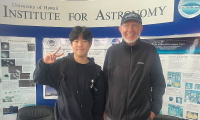
한인 고교생, 혜성 직접 관측 성과
에이든 한(왼쪽)군과 J.D. 암스트롱 박사.남가주의 17세 한인 고등학생이 전문 천문학자와 함께 혜성 관측 연구에 참여해 국제 천문학계의 공…
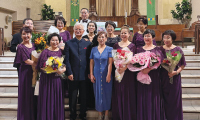
보블리스 선교합창단 제7회 정기연주회 성료
보블리스 선교합창단의 제7회 정기연주회가 지난 10일 윌셔연합감리교회에서 성황리에 열렸다. 김철이 목사 지휘, 김경혜씨 피아노 반주로 열린 이…
[인터뷰] “부부의 사랑 넘어 동행하는 삶으로”
“하나님과 동행하는 삶이 무엇인지, 저희 부부의 이야기를 통해 함께 나누고 싶습니다”1세대 한류 걸그룹 베이비복스 출신의 뮤지컬 배우 간미연과…
‘클래식으로 듣는 성탄 스토리’
LA를 중심으로 활동하는 라 루체 오케스트라(La Luce Orchestra·음악감독 전창한)가 오는 11월14일(토) 오후 6시 글렌데일 장…
한인 베트남전 참전용사 공헌 기리는 주상원 결의안…
캐롤라인 멘지바 캘리포니아주 상원의원 사무실에서 한인 베트남전 참전용사들의 공헌을 기리는 상원 결의안(SR 109) 증정식이 지난 6일 열렸다…
한국일보 안내광고
- 렌트/리스/하숙
- 구인구직
- 중고차
- 전문업체
- 부에나팍 2BR APT
- 싱글 APT/$1350
- 2Br+2Ba+2카 그라지
- 3Br+2Ba+2Pk
- 싸이프레스 단층식 타운홈
- 부에나팍 2층식 타운홈
- LA 하우스 $3,500
- 뉴스타 리스문의
- (한타) 상가 리스



- 1
 백악관 대변인, 첫 브리핑서 “韓 알래스카 …
 - 2
 집단 성폭행 의혹 한인 ‘명문가 손자’였다
 - 3
 노소영, 재산분할 맞상고 안해…최태원 재상고…
 - 4
 여야, 공수처역량 질타… “한동훈 빠져나가”…
 - 5
 김지용 후보, 임은정 겨냥 “’정치관여 금지…
 - 6
 이형일-베선트 화상면담… “한미 경제·금융협…
 - 7
 에어프레미아 LA 취항 4주년 맞아
 - 8
 MLB 밀워키, NLCS 1·2차전 싹쓸이……
 - 9합법 이민자도 메디케이드 끊긴다
- 10
 ‘LPGA 아시안스윙 시작’ 뷰익 상하이 1…
- 11보이는 비지니스 인터뷰
- 12
 “정치력 신장 우리가 뛴다”… 한인후보 19…
 - 13
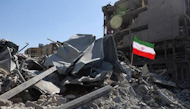
 이란, 인접국 지상군 투입도 시사…美중간선거…
 - 14
 코르티스·NCT 위시, ‘2026 마마 어워…
 - 15
 티빙 대표 “AI 기반 해킹 추정”…개인정보…
 - 16
 우리어덜트데이케어, 김진모 옹 100세 생일…
 - 17코넬대 집단 성폭행 한인 피고는 이홍구 전 총리 손자
- 18
 강경화, 북미회담 개최여부에 “구체적 진전 …
 - 19
 게임 속 격투 대결이 스크린으로… ‘스트리트…
 - 20[부 고] 강익조 회장 부인상
- 21
 인천서 전자발찌 찬 50대 흉기난동에 1명 …
 - 22
 BTS 월드투어, 롯데시네마서 본다…24∼3…
 - 23
 당연히 한국이 1등인 줄 알았는데 “세계 2…
 - 24
 구수임 작가 개인전‘빛나는 기억: 마음의 풍…
 - 25
 “카드빚 10만불 갚아줘”… 트럼프 … 1
 - 26
 팰팍 첫 반려견 공원 개장
 - 27
 뉴욕한국문화원,‘제1회 뉴욕한국독립영화제’
 - 28
 살인·마약 전력 한인 ICE 이민단속에 체포
 - 29
 미 여권 쉽고 빠르게… 1주일이면 받는다
 - 30
 백악관, ‘각종 비위 의혹’ 그리스 대사에 …








오피니언
 민경훈 논설위원
인류 역사상 가장 중요한 지역의 현주소
 황의경 사회부 차장대우
 뜻을 모아 여는 한국어 교육의 새 길
 문태기 OC지국장
 가든그로브 한인 시의원 요원한가
 옥세철 논설위원
‘룰라 신화’ 붕괴, 그 메시지는…
 전지은 수필가
 산티아고 순례길을 걸어 볼 수 있다면
 조지 F. 윌 워싱턴포스트 칼럼니스트
 [조지 F. 윌 칼럼] 대통령 가족들의 추문에 진저리 난 공화당 의원
-
[새벽 빛 편지] 걱정을 내려놓는 지혜
- 김광수 / 한국일보 논설위원
[지평선] 초고도비만 김정은

동포센터 7년 표류, 더 이상 안 된다
1/3
지사별 뉴스

강경화, 북미회담 개최여부에 “구체적 진전 없는 것으로 알아”
강경화 주미한국대사는 12일 북미 정상회담 개최 가능성에 대해 “아직 구체적인 진전사항이 없는 것으로 알고 있다”고 밝혔다.강 대사는 이날 워…
코넬대 집단 성폭행 한인 피고는 이홍구 전 총리 손자

“한미관계, 정말 문제없습니까”
국회 외교통일위원회(위원장 송석준)는 12일 워싱턴 DC의 주미한국대사관을 방문해 국정감사를 실시했다.국민의힘 송석준 위원장을 단장으로 같은 …
오바마 전 대통령, 버지니아서 모금행사

허리케인 이사야스, 남동부 강타…2명 사망·87만곳 정전
허리케인 ‘이사야스’(Isaias)가 남동부를 강타하면서 2명이 사망하고 수십만 가구가 정전되는 등 피해가 속출했다.10일 뉴욕타임스(NYT)…
재외동포 및 진출기업 위한 한‧미 세무설명회 개최














 | ||
|



- 로그인
- 회원가입
Koreatimes.com 서비스는 Ktown1st.com과 통합계정입니다. 계정이 없으신 분은 회원가입을 해 주세요.
.png)



댓글 안에 당신의 성숙함도 담아 주세요.
'오늘의 한마디'는 기사에 대하여 자신의 생각을 말하고 남의 생각을 들으며 서로 다양한 의견을 나누는 공간입니다. 그러나 간혹 불건전한 내용을 올리시는 분들이 계셔서 건전한 인터넷문화 정착을 위해 아래와 같은 운영원칙을 적용합니다.
자체 모니터링을 통해 아래에 해당하는 내용이 포함된 댓글이 발견되면 예고없이 삭제 조치를 하겠습니다.
불건전한 댓글을 올리거나, 이름에 비속어 및 상대방의 불쾌감을 주는 단어를 사용, 유명인 또는 특정 일반인을 사칭하는 경우 이용에 대한 차단 제재를 받을 수 있습니다. 차단될 경우, 일주일간 댓글을 달수 없게 됩니다.
명예훼손, 개인정보 유출, 욕설 등 법률에 위반되는 댓글은 관계 법령에 의거 민형사상 처벌을 받을 수 있으니 이용에 주의를 부탁드립니다.
Close
x