


 교육
교육


- 오픈AI, ‘통제 벗어난 AI 에이전트’ 정황 100여개 기관에 통보
- 발사 후 8시간 만에 초고속 도킹…NASA 우주비행사 ISS에 도착
- ‘길어지는 이란전에 군심 달래기’…美, 전투지역 위험수당 인상
- 유가에 소형차로 눈돌리는 美소비자…엘란트라 판매 18%↑
- [건강포커스] “사회적 환경 불리한 제2형 당뇨병 환자, 치매 위험 더 높아”
- 반크, 미주 한인 독립운동사 알리는 글로벌 웹사이트 구축
close
- 브뤼셀 관객 홀린 ‘왕사남’…한국 영화 주간 개막
- 엔비디아·소프트뱅크, 오픈AI에 투자 약속한 82조원 모두 납입
- BOE 총재 “AI 붐, 어떤 시점에 자산가격 조정 올 것”
- “앤트로픽, 11월 중순 상장 추진…기업가치 최대 2천717조원”
- 가입은 1초, 해지는 몇 단계?…뉴욕시 ‘클릭 해지’ 의무화
- 구글, 우주 데이터센터 첫 궤도 실험…TPU 실은 위성 발사 성공
close

- [아시안게임] 대한민국, 총·활·태권도서 하루 최다 금메달 6개
- [아시안게임] 이건혁, 2차 슛오프 끝에 속사권총 개인전 金…단체전까지 2관왕
- [아시안게임] 독립운동가 후손 재일교포 허미미, 여자 유도 57㎏급 금메달
- [아시안게임] 김종호, 컴파운드 양궁 남자 개인전서 한국 선수 최초 금메달
- [아시안게임] 또 만난 일본, 또 넘는다…한국축구, 4연패 명운 가를 한일전
- WC 첫판서 애틀랜타·샌디에고 등 승리
close

- 새 학년도 학교적응
- US뉴스, 2027년 대학 순위 발표… MIT·윌리엄스, 각 부문 1위
- “대학 재정보조, 준비된 가정이 기회를 넓힌다”
- 무료 필수 학습 자원 가이드 총정리
- ‘꿈의 대학’… 학생은 하버드·부모는 MIT 선호
- 대학 비용 10만 달러 시대… 실제 부담은 얼마나 될까?
close

- 노화가 질병이라면
- 송편·잡채 ‘칼로리 폭탄’ 추석 ‘급찐급빠’하려면
- 프로바이오틱스, 장 건강에 도움 되나?… 알약보다 식품으로
- [건강포커스] “불면증 있으면 뇌졸중 위험 26% 높아…치매·우울증과도 연관”
- “밤마다 발바닥이 ‘화끈화끈’ 잠 못자요”… 노화 신호 아닙니다
- “화상 입었을 땐 소주 부으라던데”… 옛말 믿었다간
close

- ‘현대적 도시의 삶을 동경하는 소녀의 간절한 야심’
- 빠르고 우습고 지적인 스크루볼 코미디
- 일하는 행정도시?… 먹고 쉬는 도시! ‘편한’ 여행지 세종
- 스포트라이트와 그림자 사이, 논란이 서사를 완성시킬까
- 혼자 서명 거부한 여고생 ‘주인’이 마주한 세계
- 신분이 다른 두 남녀의 사랑을 그린 코미디
close
- ‘주방 완비’인데 ‘NO 스토브’?… 새 임대 규정 놓고 불화
- 코스트코 근처 집값 오른다?… 반드시 그렇지 않아
- 자산가들은 왜 여전히 세차장으로 향하는가
- 라미라다 주택의 숨은 매력, 단층집과 넉넉한 마당
- 전국적 주택 구매 최적 시기… 9월 말~10월 초
- 내 집 마련 올가을 노려라… 바이어스마켓으로 재편
close

- 로마서 ‘친애하는 X’ 상영회…연출진 토크쇼도
- ‘암살자(들)’ 후폭풍…보수단체, 유해진 집 앞까지 집회 신고
- 가수 겸 배우 탑·나나, 5개월째 열애… “뮤직비디오 촬영 인연”
- 배우 짐 캐리, 세 번째 결혼…상대는 한국계 추정 30대 예술가
- BTS 월드투어, 팝그룹 최초 매출 5억달러 돌파…최종 1조3천억 전망
- 슈퍼주니어 예성, 6일 정규 2집 ‘웨어 위 아’
close
Gen-Z Slang And AAVE


Lana Ser 학생기자 웨스트 고교 10학년
Many people are familiar with at least one of these words or phrases: bae, finna, lowkey/highkey, (no) cap, salty, trippin‘, woke, sus, period, bet, clap back, it’s giving, outta pocket, spill the tea, slay, ghost, rizz, dope, fly, bling, drip, da bomb, go off, side-eye, fam, ion, ghetto, shook, snatched, lit, and pressed. Unfortunately, many are less familiar with the fact that much of this language originates from African American Vernacular English (AAVE).
AAVE is a distinct, rule-governed dialect of American English. It is spoken primarily by working- and middle-class Black Americans, and it developed from contact between enslaved West Africans and European settlers on 17th-century plantations. However, the exact origins of AAVE continue to divide linguists into two main schools of thought.



One of these is the Creole Hypothesis, which proposes that AAVE began as a pidgin or creole that blended English with various West African languages, allowing enslaved people from diverse linguistic backgrounds to communicate. Many linguists believe that, over time, this creole gradually converged with Standard English.
The other is the Dialect Hypothesis, which proposes that AAVE originated from the English dialects spoken by early European indentured servants and British colonists. Enslaved Africans then acquired and adapted these dialects, eventually shaping them into a distinct variety of English.
The Great Migration during the early 20th century brought millions of Black Americans from the rural South to urban centers in the North and West, including cities such as Chicago, Detroit, and Los Angeles. As communities spread across the country, AAVE continued to evolve and develop diverse regional variations.
All of this, of course, brings us to today. With the rise of the internet, AAVE-and Black queer vernacular-has become one of the primary driving forces behind mainstream internet slang. It is important, however, to understand the difference between cultural appreciation and cultural appropriation. It is one thing for Black creators to popularize and amplify these words and phrases; it is another for audiences unfamiliar with their origins to assume they are simply internet slang.
Stigma and discrimination still exist in both professional and everyday settings against the very dialect that often goes viral online. As more cultures gain visibility through the internet, it is important to recognize the significance of the languages, traditions, and histories behind the trends we consume. While there is nothing inherently wrong with adopting words or phrases from different communities, problems arise when people enjoy the products of a culture without acknowledging or respecting the people who created them. AAVE is a legitimate dialect with a rich history rooted in resilience, creativity, and community.
<Lana Ser 학생기자 웨스트 고교 10학년>

로컬뉴스
more
사람·사람들
more

한국일보 안내광고
- 렌트/리스/하숙
- 구인구직
- 중고차
- 전문업체



- 1
 개스값도 비싼데 판매세까지…“못살겠네”
 - 2
 호프, 일본은행 상업자산 인수 완료
 - 3
 이민단속 총격 사망 르네 굿 유족, 트럼프 …
 - 4
 H-1B ‘10만불 수수료’ 법원서 또 시행…
 - 5
 한인은행 SBA 융자…아시아권 ‘탑’
 - 6
![[인터뷰]](http://image.koreatimes.com//manage/la/images/economy/1790921731_economy_image_1.jpg) [인터뷰] “최첨단 신차들… LA 오토쇼에서…
[인터뷰] “최첨단 신차들… LA 오토쇼에서… - 7국제유가 다시 급등세 브렌트유 4.4%나 올라
- 8테슬라, 300억달러 투자 실탄 마련
- 9
 옥타LA·강원도 횡성군, 수출 활성화 MOU…
 - 10오픈AI, 300억달러 투자 유치나서
- 11현대차, 한인축제 참여 다양한 SUV 라인업 공개
- 12미국인 91% “AI 발전보다 안전장치 더 중요”
- 13실적 11배 뛴 마이크론… 4년치 매출의 35%도 이미 확보
- 14
 “인생엔 정답이 없다”… 모호함의 미학을 말…
 - 15애플,‘스마트 홈’ 시장에 본격 진출
- 16
 현대차·기아·제네시스… 9월 역대 최고 판매
 - 17넷플릭스·유튜브, 크리에이터 확보 경쟁
- 18실업수당 청구건 감소…2023년 3월 이후 최저
- 19
 젊은층 ‘절주’… 중장년층은 ‘폭음’
 - 20[건강포커스] “사회적 환경 불리한 제2형 당뇨병 환자, 치매 위험 더 높아”
- 21
 가수 겸 배우 탑·나나, 5개월째 열애… “…
 - 22
 독립운동가 후손 재일교포 허미미 여자 유도 …
 - 23
 칼산, 파월봉 정상 정복
 - 24
 LA에 ‘K-컬처 체험공간’ 문 연다
 - 25‘길어지는 이란전에 군심 달래기’…美, 전투지역 위험수당 인상
- 26유가에 소형차로 눈돌리는 美소비자…엘란트라 판매 18%↑
- 27
 한인·주류사회·다민족 총출동… 역대급 볼거리…
 - 28
 또 만난 일본, 또 넘는다… 한국축구, 4연…
 - 29제53회 코리안 퍼레이드에 동참을
- 30
 화이트삭스·양키스·샌디에고, 디비전시리즈 진…








오피니언

 이재묵 한국외대 정치외교학과 교수
 [백상논단] 우리는 어떤 공직자를 원하는가
- 서정명 서울경제 논설위원
[만화경] 데이터센터의 전기요금 청구서
- 성민희 수필비평ㆍ소설가
[윌셔에서] 글이 가면(假面)이 될 때
 정숙희 논설위원
호메로스 ‘오디세이아’의 와인
 파리드 자카리아
 트럼프와 시진핑, 자연의 법칙과 씨름하다
- 양홍주 한국일보 논설위원
[지평선] 시진핑의 마오 슈트
1/3
지사별 뉴스

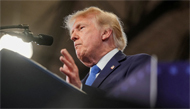
트럼프,“한국, 알래스카 LNG 개발 투자”일방 발표
도널드 트럼프 대통령은 30일 한국이 알래스카 액화천연가스(LNG) 개발 사업에 투자한다고 일방 발표했다. 아울러 트럼프 대통령은 한국의 대미…
“실거주 입증책임, 집주인에게 떠넘기지 마라” 뉴욕시 ‘세컨드 하우스 과세’ 급제동

“북미대화 여건 조성에 적극 역할”
강경화 주미대사가 29일 한국 정부가 북미 간 신뢰 구축과 대화 재개를 위한 여건 조성에 적극적인 역할을 하겠다고 밝혔다.강 대사는 이날 저녁…
보험사 사칭 보이스피싱 기승

트럼프, ‘알래스카 LNG 개발사업에 한국 투자’ 일방 발표
도널드 트럼프 대통령은 30일 한국이 알래스카 액화천연가스(LNG) 개발 사업에 투자한다고 일방 발표했다.아울러 트럼프 대통령은 한국의 대미투…
제50회 연합감리교회 한인총회















 | ||
|



- 로그인
- 회원가입
Koreatimes.com 서비스는 Ktown1st.com과 통합계정입니다. 계정이 없으신 분은 회원가입을 해 주세요.
.png)



댓글 안에 당신의 성숙함도 담아 주세요.
'오늘의 한마디'는 기사에 대하여 자신의 생각을 말하고 남의 생각을 들으며 서로 다양한 의견을 나누는 공간입니다. 그러나 간혹 불건전한 내용을 올리시는 분들이 계셔서 건전한 인터넷문화 정착을 위해 아래와 같은 운영원칙을 적용합니다.
자체 모니터링을 통해 아래에 해당하는 내용이 포함된 댓글이 발견되면 예고없이 삭제 조치를 하겠습니다.
불건전한 댓글을 올리거나, 이름에 비속어 및 상대방의 불쾌감을 주는 단어를 사용, 유명인 또는 특정 일반인을 사칭하는 경우 이용에 대한 차단 제재를 받을 수 있습니다. 차단될 경우, 일주일간 댓글을 달수 없게 됩니다.
명예훼손, 개인정보 유출, 욕설 등 법률에 위반되는 댓글은 관계 법령에 의거 민형사상 처벌을 받을 수 있으니 이용에 주의를 부탁드립니다.
Close
x