


 경제
경제

- “한인사회 안전·소상공인 보호 최선”
- 엔비디아, 유럽 AI에 2조7천억원 투자
- 상장 앞둔 앤트로픽, 3분기 매출 45%↑…2분기 연속 흑자 달성
- “트럼프 ‘러시아 경유 딜’에도 가격 안정 어려울 듯”
- 유누스 전 방글라 과도정부 수장, 뉴욕공항서 욕설 ‘봉변’
- “美, 우크라 협상 재개하려 러 동결자산 일부 해제 제안”
close
- 애플 시총 5조달러 첫 돌파 마감…엔비디아 이어 역대 두번째
- 오픈AI, 애플 상대 반격… “애플 복귀 직원이 우리 기밀 빼돌려”
- 뉴욕증시, 물가 충격·반도체 약세에 하락…나스닥 1.9%↓
- 9월 소비자물가 3.7%↑…4개월 만에 최고, 금리 인상 압박 재점화
- “美대형은행들, ‘정치적 목적’ 계좌 폐쇄”…美감독당국 발표
- JP모건, 외부 AI 에이전트의 송금·결제 등 차단
close
- ‘이강인 선발·킬러 패스’ 아틀레티코, 맨유 2-0 꺾고 UCL 첫 승
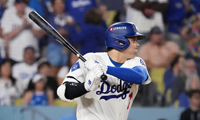
- 다저스 감독 “오타니 3차전도 출전”…선발 제외 가능성 일축
- 다저스, 밀워키에 NLCS 1·2차전 싹쓸이 패
- 사우디 자금 끊긴 LIV… 선수 붙잡기 더 어려워졌다
- 김도영·최민석, APBC 출격… KBO, 대표팀 33명 발표
- ‘LPGA 아시안스윙 시작’ 뷰익 상하이 15일 개막…김세영 등 출전
close

- 누구나 꿈꾸는 아이비리그… 미국 북동부 8개 사립대
- 해마다 오르는 대학 등록금… 집 살 때처럼 일찍 준비해야
- 북클럽 (BooK Club)
- 미국 대학입시에서 과외활동의 진짜 의미
- “FAFSA 제출 전 재정보조 전략이 4년을 좌우한다”
- 옥스포드 11년 연속 1위 독주… THE 세계 대학 순위 발표
close

- 말년을 요양병원 대신 집에서 지내려면
- “빨리 손 씻어라”… 세균·바이러스 득실한 ‘의외의 장소들’
- 나이 들수록 늘어나는 하지정맥류, 생활습관이 좌우한다
- [건강포커스] “고혈압 관리 강화, 심혈관질환 사망 연 51만여명 예방 가능”
- 두 달 빨리 찾아온 독감 벌써 기승… “백신 지금 맞아야”
- “다이어트 간식이라 믿었는데” 알고 보니 설탕 범벅?… 혈당 확 올린다는 ‘스낵바’
close
- 극찬받은 절 꽃밭… 시작은 스님이 심은 ‘일곱 송이’였다
- 로케이션 스카웃의 하루를 관찰하듯이 그린 소품 드라마
- 음악과 내용이 다채롭고 재미있는 만화영화
- “인생엔 정답이 없다”… 모호함의 미학을 말하다
- ‘현대적 도시의 삶을 동경하는 소녀의 간절한 야심’
- 빠르고 우습고 지적인 스크루볼 코미디
close

- 주택보험 약관 작은 글씨도 꼼꼼히…‘가입·갱신’ 필수 확인
- 7% 돌파 금리 또 급등… 주택시장 더 얼어붙나?
- 집을 팔기 전에 꼭 확인해야 할 것들
- 2026년 하반기, 시장의 향방은 어디로 가는가
- ‘주방 완비’인데 ‘NO 스토브’?… 새 임대 규정 놓고 불화
- 코스트코 근처 집값 오른다?… 반드시 그렇지 않아
close

- 2인조 형제 록밴드 레드 씨, 신곡 ‘아이 워너 싱’ 발표
- 장항준 “’거~장항준’ 제안했는데…제목 보고 놀리는 줄”
- “장우혁이 폭행” 주장 전 소속사 직원 2심도 명예훼손 무죄
- 가수 솔비·배우 이규한, 내년 4월 결혼…양가 상견례 마쳐
- 이수만이 다시 꺼낸 K팝 DNA…A20라이트, 데뷔 직후 ‘멜론 1위’
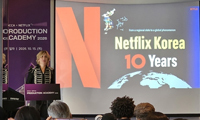
- 넷플릭스, 성장 둔화에 1천명 감원…2022년 이후 최대 규모
close
Amid Troop-Dispatch Pressure, Stresses Multilateral Cooperation — Delivers 17-Minute UN Keynote

▶ Presents vision of a “Coalition of Constructive Contributors”; reiterates that solutions must be found through multilateralism
▶ Second UN General Assembly address since taking office; wears a green tie symbolizing peace and a Taegeukgi lapel pin

In his keynote speech at the 81st UN General Assembly at UN Headquarters in New York, Lee listed “solidarity for the global energy supply chain” as one of the three pillars of the “K Initiative,” unveiling a new international partnership centered on supply-chain cooperation.
The remarks underscored the restoration of multilateralism in the face of a new global security and economic crisis stemming from the Iran war, and were interpreted as an extension of Lee’s pragmatic diplomatic approach.



They drew particular attention because, even as Washington has intensified pressure on Seoul to dispatch troops to the Strait of Hormuz, Lee again told the international community that responses to supply-chain shocks and other problems linked to the Iran conflict must be pursued through a multilateral approach.
Lee has previously argued that normalizing the situation in the Strait of Hormuz and guaranteeing freedom of navigation require problem-solving through multilateral solidarity involving the international community.
On this day he stressed, “We cannot simply sit and wait until every country agrees on a single solution,” highlighting the urgency and necessity of new multilateral consultations to resolve the Iran conflict. The Coalition of Constructive Contributors outlined Tuesday also fleshes out the pledge of practical contributions toward eventual normalization of the strait that Lee made at an international summit on freedom of navigation through the Strait of Hormuz in April.
France and Britain have, from the early stages of the Iran war, led discussions on a “multinational task force” involving the international community; South Korea has taken part and joined calls for multilateral cooperation. Analysts say the coalition Lee proposed goes a step further: rather than being limited to the military and security sphere, it more closely resembles a broader multilateral security-and-economic consultative model that can attract wider participation by using global supply chains as the connecting thread.
Lee explained, “This is not about creating a new exclusive institution or exclusive grouping. It is about respecting the existing international order and the functions of the United Nations while cooperating in an open manner in the areas where each country has strengths, and gradually expanding the scope.”The concept is understood as one that would operate a flexible coalition around the shared economic interest of supply-chain stability—rather than a confrontational model that forms closed political, military, or geopolitical “blocs”—and produce tangible results.
It is also seen as reflecting Lee’s will to raise the profile of middle-power diplomacy as a supplier of “global public goods” and to position South Korea as a responsible global power. In the speech Lee pledged, “We will further tighten energy supply-chain cooperation so that the supply-chain crisis does not spread into a worldwide economic and livelihood crisis.
”A remaining task, however, is to follow up with a concrete strategy that can differentiate the initiative from existing multilateral bodies such as the United Nations, the multinational task force on the Hormuz situation led by France and Britain, and various economic-cooperation groupings.
Meanwhile, delivering his second consecutive UN General Assembly speech, Lee took the podium at about 3:43 p.m. wearing a dark navy suit and a Taegeukgi pin on his lapel. He wore a dark-green tie with a white diagonal pattern. The presidential office said the green color—symbolizing balance, harmony, and peace among nations—was chosen to convey a message of hope and positivity.
In the address Lee mentioned “the Republic of Korea” about 20 times, “peace” 17 times, “the Korean Peninsula” 14 times, “the international community” 12 times, “cooperation” 11 times, “solidarity” 10 times, “the future” 10 times, and “artificial intelligence (AI)” about 9 times. When the roughly 17-minute speech ended, applause broke out in the hall.
First Lady Kim Hye-kyung also watched the address from the venue.

로컬뉴스
more
사람·사람들
more
한국일보 안내광고
- 렌트/리스/하숙
- 구인구직
- 중고차
- 전문업체
- 싱글 1Bed $1,200
- 부에나팍 2BR APT
- 싱글 APT/$1350
- 2Br+2Ba+2카 그라지
- 3Br+2Ba+2Pk
- 싸이프레스 단층식 타운홈
- 부에나팍 2층식 타운홈
- LA 하우스 $3,500
- 뉴스타 리스문의



- 1
 차량 5대 뛰어넘어 착지…테슬라, 하늘 나는…
 - 2
 “50대 넘어도 고소득”… 중장년 유망직업 …
 - 3
 모기지 금리 거침없는 급등세… 이자율 낮추는…
 - 4
 오리건주 초등학교서 10대 총격범이 어린이 …
 - 5
 MS 사장, ‘고숙련 이민자 영주권 차단’ …
 - 6
 머스크, ‘100만불 대선 복권 사기’ 집단…
 - 7
 좌석에 숨어 피를 빨아먹었다…비행기서 발견된…
 - 8
 우리 집에 내가 모르는 ‘담보권’(Lien)…
 - 9
 텍사스서 유권자 등록 59만건 지연…선거 앞…
 - 10
 트럼프 “중러와 핵군축 논의하고 있다…중, …
- 11
 앤트로픽 직원, 3분기 25만달러 기부…공화…
 - 12
 英, 우크라 지원 심혈…스톰섀도 또 보내고 …
 - 13
 특검, 尹 ‘평양무인기’ 2심 징역30년 구…
 - 14
![[건강포커스]](http://image.koreatimes.com//article/2026/10/15/202610151957096a5.jpg) [건강포커스] “초가공식품 많이 먹는 중년,…
[건강포커스] “초가공식품 많이 먹는 중년,… - 15
 월가 “CXMT 추격론 과도”… “발표와 양…
 - 16
 앤트로픽, 외부 안전평가기관에 접근권 부여
 - 17“화려한 K-Dance의 물결 샌프란시스코를 물들인다!”
- 18케이 헬스 서밋
- 19
 젤렌스키, 트럼프 맞서지만… “미국지원 없으…
 - 20코윈 주최, 오는 11월 14일
- 21
 KFC, ‘40년 인연’ 펩시와 결별…내년부…
 - 22
 민화 그리기로 한국문화 시리즈 시작
 - 23
 SF 드 영 박물관 ‘파라오의 보물’ 전시회
 - 24
 한앤박 법률사무소 SV 오피스 개설
 - 25
 민주당 상원의원 사무실에 ‘수상한 물질’ 우…
 - 26
 공화 접전지 후보들의 입장 선회…선거 이후 …
 - 27
 법무부, 캘리포니아에 소송… “非시민 2만명…
 - 28
 허위 경력 논란 백악관 대변인 “변호사 시험…
 - 29
 “강릉 엄지네 꼬막 인기” H마트 팝업 스토…
 - 30
 숙제 단 2분 만에 대충 끝내더니…중학생 아…






오피니언
 홍병문 서울경제 논설위원
[목요일 아침에] AI 이후의 세계와 최후의 인간
- 한영일 서울경제 논설위원
[만화경] 성추행 혐의 받는 로봇
- 허경옥 수필가
[윌셔에서] 두에로강변에서
 정숙희 논설위원
‘이 레슨이 끝나지 않기를’ by 제러미 덴크
 파리드 자카리아
트럼프의 결단이 있기 전까지 이란 전쟁 승리는 없다
- 김동찬 시민참여센터 대표
[미국은 지금] 콜럼버스의 날과 원주민의 날 사이에서
- 이현숙 수필문학가협회 이사장
[수요에세이] 헤밍웨이, 진실한 문장 하나
- 안아람 / 한국일보 논설위원
[지평선] 공개 사형
 민경훈 논설위원
인류 역사상 가장 중요한 지역의 현주소
1/3
지사별 뉴스

“ICE 공포정치(캐시 호쿨)” vs “범죄자 단속일 뿐(브루스 블레이크맨)” 난타전
내달 3일 실시되는 뉴욕주지사 본선거에 출마한 민주당 후보 캐시 호쿨 현 주지사와 공화당 후보 브루스 블레이크맨 낫소카운티장이 13일 열린 첫…
스태튼아일랜드 60대 한인여성 역주행 차량과 충돌 사망

‘한국 문화와 문화 외교의 힘’
스미소니언 국립아시아박물관(NMAA)이 이번 주말 ‘글로벌 대화: 한국 문화와 문화 외교의 힘(Global Conversations: Kore…
“대북제재는 실패했다”

모기지 금리 거침없는 급등세… 이자율 낮추는 ‘금리 테크’
모기지 금리가 3년 만에 최고 수준으로 치솟으면서 주택 구입자들의 부담이 커지고 있다. 하지만 실제로 적용받는 금리를 낮추고 많게는 수만 달러…
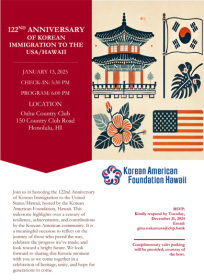
“화려한 K-Dance의 물결 샌프란시스코를 물들인다!”










 | ||
|



- 로그인
- 회원가입
Koreatimes.com 서비스는 Ktown1st.com과 통합계정입니다. 계정이 없으신 분은 회원가입을 해 주세요.
.png)



댓글 안에 당신의 성숙함도 담아 주세요.
'오늘의 한마디'는 기사에 대하여 자신의 생각을 말하고 남의 생각을 들으며 서로 다양한 의견을 나누는 공간입니다. 그러나 간혹 불건전한 내용을 올리시는 분들이 계셔서 건전한 인터넷문화 정착을 위해 아래와 같은 운영원칙을 적용합니다.
자체 모니터링을 통해 아래에 해당하는 내용이 포함된 댓글이 발견되면 예고없이 삭제 조치를 하겠습니다.
불건전한 댓글을 올리거나, 이름에 비속어 및 상대방의 불쾌감을 주는 단어를 사용, 유명인 또는 특정 일반인을 사칭하는 경우 이용에 대한 차단 제재를 받을 수 있습니다. 차단될 경우, 일주일간 댓글을 달수 없게 됩니다.
명예훼손, 개인정보 유출, 욕설 등 법률에 위반되는 댓글은 관계 법령에 의거 민형사상 처벌을 받을 수 있으니 이용에 주의를 부탁드립니다.
Close
x