


 교육
교육


- “한인사회 안전·소상공인 보호 최선”
- 엔비디아, 유럽 AI에 2조7천억원 투자
- 상장 앞둔 앤트로픽, 3분기 매출 45%↑…2분기 연속 흑자 달성
- “트럼프 ‘러시아 경유 딜’에도 가격 안정 어려울 듯”
- 유누스 전 방글라 과도정부 수장, 뉴욕공항서 욕설 ‘봉변’
- “美, 우크라 협상 재개하려 러 동결자산 일부 해제 제안”
close

- 애플 시총 5조달러 첫 돌파 마감…엔비디아 이어 역대 두번째
- 오픈AI, 애플 상대 반격… “애플 복귀 직원이 우리 기밀 빼돌려”
- 뉴욕증시, 물가 충격·반도체 약세에 하락…나스닥 1.9%↓
- 9월 소비자물가 3.7%↑…4개월 만에 최고, 금리 인상 압박 재점화
- “美대형은행들, ‘정치적 목적’ 계좌 폐쇄”…美감독당국 발표
- JP모건, 외부 AI 에이전트의 송금·결제 등 차단
close

- ‘이강인 선발·킬러 패스’ 아틀레티코, 맨유 2-0 꺾고 UCL 첫 승
- 다저스 감독 “오타니 3차전도 출전”…선발 제외 가능성 일축
- 다저스, 밀워키에 NLCS 1·2차전 싹쓸이 패
- 사우디 자금 끊긴 LIV… 선수 붙잡기 더 어려워졌다
- 김도영·최민석, APBC 출격… KBO, 대표팀 33명 발표
- ‘LPGA 아시안스윙 시작’ 뷰익 상하이 15일 개막…김세영 등 출전
close

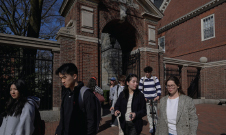
- 누구나 꿈꾸는 아이비리그… 미국 북동부 8개 사립대
- 해마다 오르는 대학 등록금… 집 살 때처럼 일찍 준비해야
- 북클럽 (BooK Club)
- 미국 대학입시에서 과외활동의 진짜 의미
- “FAFSA 제출 전 재정보조 전략이 4년을 좌우한다”
- 옥스포드 11년 연속 1위 독주… THE 세계 대학 순위 발표
close

- 말년을 요양병원 대신 집에서 지내려면
- “빨리 손 씻어라”… 세균·바이러스 득실한 ‘의외의 장소들’
- 나이 들수록 늘어나는 하지정맥류, 생활습관이 좌우한다
- [건강포커스] “고혈압 관리 강화, 심혈관질환 사망 연 51만여명 예방 가능”
- 두 달 빨리 찾아온 독감 벌써 기승… “백신 지금 맞아야”
- “다이어트 간식이라 믿었는데” 알고 보니 설탕 범벅?… 혈당 확 올린다는 ‘스낵바’
close
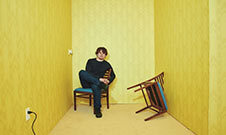
- 극찬받은 절 꽃밭… 시작은 스님이 심은 ‘일곱 송이’였다
- 로케이션 스카웃의 하루를 관찰하듯이 그린 소품 드라마
- 음악과 내용이 다채롭고 재미있는 만화영화
- “인생엔 정답이 없다”… 모호함의 미학을 말하다
- ‘현대적 도시의 삶을 동경하는 소녀의 간절한 야심’
- 빠르고 우습고 지적인 스크루볼 코미디
close

- 주택보험 약관 작은 글씨도 꼼꼼히…‘가입·갱신’ 필수 확인
- 7% 돌파 금리 또 급등… 주택시장 더 얼어붙나?
- 집을 팔기 전에 꼭 확인해야 할 것들
- 2026년 하반기, 시장의 향방은 어디로 가는가
- ‘주방 완비’인데 ‘NO 스토브’?… 새 임대 규정 놓고 불화
- 코스트코 근처 집값 오른다?… 반드시 그렇지 않아
close

- 2인조 형제 록밴드 레드 씨, 신곡 ‘아이 워너 싱’ 발표
- 장항준 “’거~장항준’ 제안했는데…제목 보고 놀리는 줄”
- “장우혁이 폭행” 주장 전 소속사 직원 2심도 명예훼손 무죄
- 가수 솔비·배우 이규한, 내년 4월 결혼…양가 상견례 마쳐
- 이수만이 다시 꺼낸 K팝 DNA…A20라이트, 데뷔 직후 ‘멜론 1위’
- 넷플릭스, 성장 둔화에 1천명 감원…2022년 이후 최대 규모
close
Dementia: Medicine’s Biggest Challenge


Audrey Im 학생기자 엘도라도 고교 12학년
Dementia is not a single disease but a broad term used to describe a decline in cognitive function severe enough to interfere with daily life. It can be caused by conditions such as Alzheimer‘s disease, vascular dementia, and Lewy body dementia. Common symptoms include memory loss, confusion, difficulty speaking, poor judgment, and changes in mood or personality. These symptoms often worsen gradually, making dementia a progressive condition that becomes more severe over time. This progression is one reason dementia care is so complex. A patient’s needs may change constantly, requiring healthcare providers and families to adapt over months or even years.
One of the greatest challenges in dementia care is the lack of a cure. While certain medications may temporarily improve symptoms or slow decline in some patients, they do not stop the disease from progressing. This means that treatment often focuses not on curing the condition, but on helping patients maintain quality of life for as long as possible. Managing dementia therefore requires a combination of medical care, emotional support, safety planning, and assistance with daily activities such as eating, bathing, dressing, and taking medication. Another major difficulty is that dementia affects not only the patient but also the people caring for them. Family members often take on the role of caregiver, helping with appointments, supervision, hygiene, transportation, and emotional support. Over time, this responsibility can become physically exhausting and emotionally overwhelming. Many caregivers experience stress, burnout, anxiety, and even depression. In this way, dementia becomes not just a medical issue, but a family and public health issue as well.




Dementia care is also challenging because patients may struggle to communicate pain, discomfort, or fear. Some may become agitated, wander, or resist care because they no longer understand what is happening around them. This requires patience, training, and a compassionate approach from healthcare workers. Effective dementia care is not only about treating symptoms, but also about preserving dignity and creating an environment where patients feel safe and respected.
In the end, dementia care is one of the biggest challenges in modern medicine because it demands more than a prescription or procedure. It requires science, empathy, patience, and long-term support. As cases of dementia continue to increase, improving dementia care will remain one of the most important goals in healthcare. While medicine continues to search for better treatments and possible cures, the challenge today is learning how to care for patients in a way that supports both their health and their humanity.
<Audrey Im 학생기자 엘도라도 고교 12학년>

로컬뉴스
more

사람·사람들
more

한국일보 안내광고
- 렌트/리스/하숙
- 구인구직
- 중고차
- 전문업체



- 1이번주 샌타애나 강풍 남가주 산불 ‘적색경보’
- 2북, 텍사스서 IT 위장취업 ‘노트북 농장’ 무더기 적발
- 3
 우리 집에 내가 모르는 ‘담보권’(Lien)…
 - 4
 모기지 금리 거침없는 급등세… 이자율 낮추는…
 - 5
 중간선거 위기 몰린 트럼프, 반이민·차별 막…
 - 6
 아침 커피 한 잔, 심장건강에 좋다
 - 7
 배스 “풍부한 시정 경험”… 라만 “새로운 …
 - 8
 “50대 넘어도 고소득”… 중장년 유망직업 …
 - 9LA 도로 한복판에 싱크홀… 작업차량 빠져 ‘아찔’
- 10
 연방정부, LA 유권자 시민권 검증 ‘최후통…
- 11
 ‘국대 은퇴설’ 김민재는 흔들, 이강인은 번…
 - 12“교황, 수술 후 걷고 식사도” 교황청, 비밀주의 전통 깼다
- 13
 “변호사라더니 면허가 없다?”… 백악관 새 …
 - 14
 “투표권을 지키자”… 연방 대법원 앞 조기투…
 - 15나이 들어도 거뜬하게… 매일 해야 할 5가지 운동
- 16뱅크오브아메리카에 12억달러 벌금
- 17
 엄지성, 영국서 인종차별 피해… 경기중단·경…
 - 18잘나가던 넷플릭스도 ‘감원 칼바람’… 1,000명 해고
- 19
 왜 굳이 연금인가?
 - 20
 강남구·강동구·울산남구 협의회와 MOU 체결
- 21
 메디케어, 제대로 알자
 - 22축제재단, 배무한 이사 ‘제명’ 의결
- 23
 LA항 물동량 사상 최대… 연말 남가주 물류…
 - 24
 ICE 총 꺼내도 바디캠 녹화 안 한다
 - 25“메스껍고 식은땀 바로 앉거나 누워야”
- 26소비자 물가 다시 들썩… 연준 금리 추가인상 압박
- 27
 국제항공사·서비스 최고 대한항공 마젤란상 수…
 - 28
 보이는 비지니스 인터뷰
 - 29과학한방 완성 혈관 통합 건강법
- 30미국서 판 키우는 K뷰티 오프라인 매장


![[셀리온]](http://image.koreatimes.com//article/2026/10/14/202610142101346a1.jpg)









오피니언
 홍병문 서울경제 논설위원
[목요일 아침에] AI 이후의 세계와 최후의 인간
- 한영일 서울경제 논설위원
[만화경] 성추행 혐의 받는 로봇
- 허경옥 수필가
[윌셔에서] 두에로강변에서
 정숙희 논설위원
‘이 레슨이 끝나지 않기를’ by 제러미 덴크
 파리드 자카리아
트럼프의 결단이 있기 전까지 이란 전쟁 승리는 없다
- 김동찬 시민참여센터 대표
[미국은 지금] 콜럼버스의 날과 원주민의 날 사이에서
- 이현숙 수필문학가협회 이사장
[수요에세이] 헤밍웨이, 진실한 문장 하나
- 안아람 / 한국일보 논설위원
[지평선] 공개 사형
 민경훈 논설위원
인류 역사상 가장 중요한 지역의 현주소
1/3
지사별 뉴스

‘민원실 전면 예약제’ 혼선… 국감서 뭇매
한국국회 외교통일위원회의 국정감사에서 뉴욕총영사관의 갑작스러운 민원실 전면 예약제 도입과 잦은 운영 방식 변경에 따른 혼선 문제가 도마 위에 …
뉴욕시, ‘체납벌금 탕감 프로그램’ 전격 시행

금괴 298개·롤렉스 등 시계 30개·BMW 2대…
랭글리에 있는 중앙정보국(CIA) 고위 관료로 근무 중 약 1억 9,400만 달러의 정부자금 금융 사기 및 국고 횡령 혐의(본보 5월29일자 …
한글날 기념‘한국학 학생학술대회’

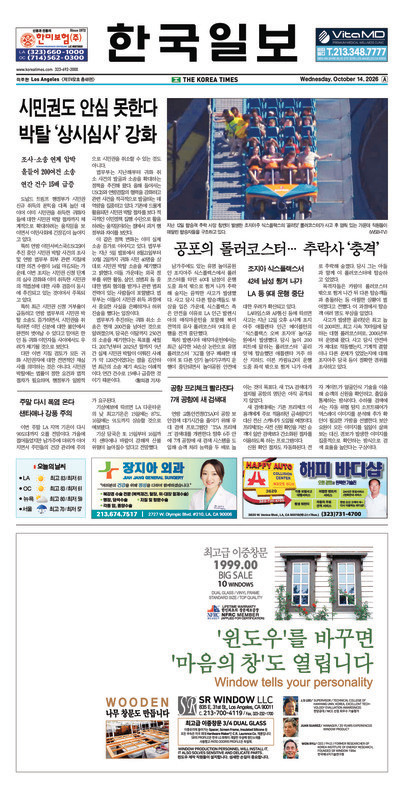
시민권도 안심 못한다… 박탈 ‘상시심사’ 강화
도널드 트럼프 행정부가 시민권 신규 취득의 문턱을 대폭 높인 데 이어 이미 시민권을 취득한 귀화자들에 대한 시민권 박탈 절차까지 체계적으로 확…
크로스선교회,선교 후원 음악회















 | ||
|



- 로그인
- 회원가입
Koreatimes.com 서비스는 Ktown1st.com과 통합계정입니다. 계정이 없으신 분은 회원가입을 해 주세요.
.png)



댓글 안에 당신의 성숙함도 담아 주세요.
'오늘의 한마디'는 기사에 대하여 자신의 생각을 말하고 남의 생각을 들으며 서로 다양한 의견을 나누는 공간입니다. 그러나 간혹 불건전한 내용을 올리시는 분들이 계셔서 건전한 인터넷문화 정착을 위해 아래와 같은 운영원칙을 적용합니다.
자체 모니터링을 통해 아래에 해당하는 내용이 포함된 댓글이 발견되면 예고없이 삭제 조치를 하겠습니다.
불건전한 댓글을 올리거나, 이름에 비속어 및 상대방의 불쾌감을 주는 단어를 사용, 유명인 또는 특정 일반인을 사칭하는 경우 이용에 대한 차단 제재를 받을 수 있습니다. 차단될 경우, 일주일간 댓글을 달수 없게 됩니다.
명예훼손, 개인정보 유출, 욕설 등 법률에 위반되는 댓글은 관계 법령에 의거 민형사상 처벌을 받을 수 있으니 이용에 주의를 부탁드립니다.
Close
x