


 교육


- 페어플랜 주택보험료 가주 30% 급등 ‘비상’
- 코넬대 한인 여교수도 ‘성희롱 피해’ 폭로
- LA 가을 날씨 본격 이번 주중 비 소식
- ‘플라잉 테슬라’ 깜짝 공개…“영화가 현실로”
- 전국 동시다발 ‘노 킹스’ 시위…“투표로 트럼프 심판”
- 동포청, 세종으로 옮긴다 정부 “내년 상반기 이전”
close

- 국제유가, 중동사태 불안에 다시 급등
- 미국민 70%, 트럼프 경제정책 반대
- 메가마트, 라하브라 남가주 1호점 29일 오픈
- 미 상위 0.1% 자산 28조…전체 가계자산 15% 차지
- 구글 공동창업자도 캘리포니아 떠나
- 전국 구인규모 720만건… 건설부문 감소
close

- 아시안투어 마카오 오픈서 임성재, 연장전 끝 준우승
- ‘손흥민 풀타임·골대 불운’ LAFC, 뉴욕 시티와 1-1 무승부
- 최혜진, 뷰익 LPGA 상하이 준우승… 인뤄닝은 1타차 ‘역전 우승’
- ‘손흥민 풀타임·골대 불운’ LAFC, 뉴욕 시티와 1-1 무승부
- 임성재, 아시안투어 마카오 오픈서 연장전 끝에 준우승
- 최혜진, 뷰익 LPGA 상하이 준우승…인뤄닝은 1타차 ‘역전 우승’
close


- 코넬대만의 문제 아냐… 캠퍼스 성폭력 중징계 드물어
- 주내 대학? 타주 대학?… 나에게 맞는 대학은
- 말문을 잃게 만든 코넬대 7인
- “재정보조 전문가의 선택이 대학 4년의 비용을 좌우한다”
- AI 시대, 혼자 뛰어난 아이보다 함께 성장하는 아이
- My Experience at the UCI Medacademy
close

- [건강포커스] “초가공식품 많이 먹는 중년, 무증상 뇌혈관 손상 징후 많아”
- 말년을 요양병원 대신 집에서 지내려면
- “빨리 손 씻어라”… 세균·바이러스 득실한 ‘의외의 장소들’
- 나이 들수록 늘어나는 하지정맥류, 생활습관이 좌우한다
- [건강포커스] “고혈압 관리 강화, 심혈관질환 사망 연 51만여명 예방 가능”
- 두 달 빨리 찾아온 독감 벌써 기승… “백신 지금 맞아야”
close

- ‘팀셸’로 다시 읽는 선과 악의 경계… 선택이 인간을 구성하다
- 액션 코미디 가면 쓴 인간성에 대한 유쾌하고 깊은 탐구
- 극찬받은 절 꽃밭… 시작은 스님이 심은 ‘일곱 송이’였다
- 로케이션 스카웃의 하루를 관찰하듯이 그린 소품 드라마
- 음악과 내용이 다채롭고 재미있는 만화영화
- “인생엔 정답이 없다”… 모호함의 미학을 말하다
close

- 모기지 금리 거침없는 급등세… 이자율 낮추는 ‘금리 테크’
- 우리 집에 내가 모르는 ‘담보권’(Lien)?… 오류 사례 적지 않아
- 상업용 부동산 실사(Due Diligence)의 핵심
- 재융자 금리 두배 되면, 부동산 시장에 무슨 일이 생길까?
- 주택보험 약관 작은 글씨도 꼼꼼히…‘가입·갱신’ 필수 확인
- 7% 돌파 금리 또 급등… 주택시장 더 얼어붙나?
close

- 세븐틴 새 유닛 정한X조슈아 첫 미니앨범… “환상·현실 맞물려”
- 연상호 ‘실낙원’ 118개국에 판매…순제작비 회수
- ‘증조부 친일 논란’ 하영 주연작 ‘승산 있습니다’ 편성 연기
- ‘내 새끼의 연애’ 시즌3…이종혁 아들 이준수 출연
- 아이브, 오늘 신곡 ‘룩스 캔 킬’…26일 미니앨범 선공개곡
- 래퍼 양홍원·모델 원현주, 오늘 결혼식
close
School Traffic Is More Than an Inconvenience


Alice Chae 학생기자 서니힐스 고교 12학년
Around schools, traffic becomes especially complicated because many different users share the same space at the same time. Parents are driving, students are walking, buses are stopping, cyclists are passing through, and nearby residents are trying to enter or leave their neighborhoods. When all of these movements happen in a small area within a short time, even a small delay can create a larger backup.
This is where school congestion becomes more than a traffic problem. It becomes a systems problem. From an urban studies perspective, schools are part of the neighborhoods around them. The design of nearby streets, sidewalks, crosswalks, bike lanes, parking lots, and intersections all affects how safely students arrive and leave. If sidewalks are too narrow, students may walk close to moving cars. If crosswalks are poorly placed, students may cross in unsafe areas. If the drop-off zone is too short, cars may spill into nearby streets and block traffic.




From an industrial engineering perspective, the issue is also about flow. A school drop-off line works like a system with limited capacity. Cars enter, stop, unload, and exit. When one part slows down, the entire system backs up. The problem is not always that there are too many cars. Sometimes, the system is simply not designed to move people efficiently.
Improving school safety requires looking at both design and behavior. Schools and cities could study where traffic slows, where students cross most often, and where conflicts between cars and pedestrians occur. With better data, they could identify dangerous areas before accidents happen.
Some solutions are simple: clearer signs, painted curb zones, staggered drop-off times, one-way traffic patterns, crossing guards, designated walking routes, and better communication with parents. Longer-term improvements, such as wider sidewalks, safer intersections, protected bike lanes, and redesigned drop-off areas, can make school zones safer and more efficient. The goal should not be only to move cars faster. It should be to move people more safely.
School congestion is often treated as a daily annoyance that parents and students simply have to tolerate. But it is really a design challenge. If Orange County wants safer neighborhoods, school traffic should be addressed not only through reminders and enforcement, but through better planning, better systems, and infrastructure designed around the people who use it every day.
<Alice Chae 학생기자 서니힐스 고교 12학년>

로컬뉴스
more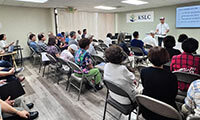
사람·사람들
more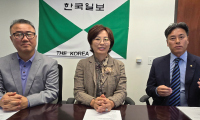
LA평통, 진보·보수 한자리에 모은다… ‘평화와 통일 위한 사회적 대화’
민주평통 LA협의회(이하 LA평통·회장 장병우)가 한인사회 내 진보와 보수 성향 인사들이 한자리에 모여 대화하는 첫 토론 자리를 마련한다. 참…

미션시티, 여성암 3D 진단 시대 연다
LA 한인타운의 미션시티 커뮤니티 클리닉(MCCN)이 첨단 3D 유방촬영 장비를 도입하고 한인 여성들을 위한 유방암·자궁경부암 무료 검진 캠페…
보나뮤직 한국 동요 부르기 대회… 이수민 학생 전…
제3회 보나뮤직 한국 동요 부르기 대회가 지난 10일 LA 미주평안교회에서 열렸다. 이번 대회에는 독창 부문 40명과 중창 10팀 등 총 98…
극단 이즈키엘 ‘해방을 찾아서’
할리웃 프린지 연극제에서 수상하며 호평받은 극단 이즈키엘의 화제작 ‘해방을 찾아서’가 LA 무대에 다시 오른다.극단 이즈키엘(대표 전수경)은 …
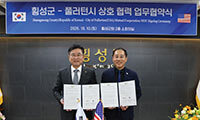
KAF, 비영리단체 36곳에 커뮤니티 그랜트 지원
한인사회 커뮤니티재단인 KAF(Korean American Foundation·이사장 존 임)는 14일 LA 한인타운 EK 갤러리에서 ‘202…
한국일보 안내광고
- 렌트/리스/하숙
- 구인구직
- 중고차
- 전문업체



- 1
 페어플랜 주택보험료 가주 30% 급등 ‘비상…
- 2
 코넬대 한인 여교수도 ‘성희롱 피해’ 폭로
- 3
 전국 동시다발 ‘노 킹스’ 시위…“투표로 트…
- 4AI·반도체주 주가 부진…4일간 시총 1조달러↓
- 5LA 가을 날씨 본격 이번 주중 비 소식
- 6
 ‘플라잉 테슬라’ 깜짝 공개…“영화가 현실로…
- 7
 메가마트, 라하브라 남가주 1호점 2… 1
- 8
 코넬대만의 문제 아냐… 캠퍼스 성폭력 중징계…
- 9
 ‘증조부 친일 논란’ 하영 주연작 ‘승산 있…
- 10
 세븐틴 새 유닛 정한X조슈아 첫 미니앨범… …
- 11카운트다운, 시진핑의 Death Watch
- 12로봇 이어 스마트시티까지… 통신망 결합해 인프라 고도화
- 13[만화경] 정상 가족
- 14
 AI 시대, 혼자 뛰어난 아이보다 함께 성장…
- 15
 My Experience at the UCI…
- 16이름에 대하여
- 17
 유럽 전역 뒤덮은 ‘분노의 함성’… 거리마다…
- 18미 AI 인프라 투자, 향후 8년간 10조달러
- 19
 ‘내 새끼의 연애’ 시즌3…이종혁 아들 이준…
- 20주내 대학? 타주 대학?… 나에게 맞는 대학은
- 21
 “한국 펫푸드 산업 북미 성공 확신해요”
- 22
 워싱턴동포간담회, 24일 저녁 개최
- 23
 ‘손흥민 풀타임·골대 불운’ LAFC, 뉴욕…
- 24
 The Rich White Civil… 5
- 25
 한인 최초 USC 총장 “새로운 150년의 …
- 26
 연방 지출 삭감 여파, 워싱턴 경제 전방위 …
- 27
 동포청, 세종으로 옮긴다 정부 “내년 상반기…
- 28미국민 70%, 트럼프 경제정책 반대 1
- 29LPGA 국가대항전에 김효주·유해란·고진영·최혜진 출전
- 30
 김진철 작가 초대전 ACC갤러리 9∼30일









오피니언
 옥세철 논설위원
카운트다운, 시진핑의 Death Watch
 조형숙 시인ㆍ수필가 미주문협 총무이사
이름에 대하여
 민병권 서울경제 논설위원
[만화경] 정상 가족

선천적 복수국적 족쇄, 이제는 풀어야
-
한인 정치력 신장, 투표에서 시작된다
- 김미선 서북미문인협회 회장시인
[한국춘추] 아이야, 갑옷을 벗고 문을 열어라
- 이숙종 성균관대 국정전문대학원 특임교수
[백상논단] 두 가지 흐름이 충돌하는 유럽
- 이희숙 수필가·아동문학가
[금요단상] 지구촌과 소통하는 한국어
- 최윤필 / 한국일보 기자
[기억할 오늘] 스페인 5월시위-월가 시위- 한국의 위성정당들
1/3
지사별 뉴스

시민권도 안심 못한다⋯‘상시심사’ 강화
도널드 트럼프 행정부가 시민권 신규 취득의 문턱을 대폭 높인 데 이어 이미 시민권을 취득한 귀화자들에 대한 시민권 박탈 절차까지 체계적으로 확…
‘뉴저지 부적격 유권자 등록 사태’ 여파 주민 10명중 8명 ‘투표시 신분증 의무화’ 찬성

페어팩스 공립교 학생 4천여명 감소
이번 2026-27학년도 페어팩스 카운티 공립학교(FCPS) 학생이 4천여명 감소한 것으로 파악됐다.페어팩스 카운티 교육청의 미셸 리드 교육감…
메릴랜드·버지니아 주택 뒤 별채 건축 쉬워진다

오리건 초교 총격범은 16세 졸업생…학부모가 쏜 총탄에 사망
오리건주 실버레일 초등학교에서 발생한 총기 난사 사건의 범인은 해당 학교 출신의 청소년인 것으로 나타났다.마이크 크랜츠 오리건주 벤드 경찰청장…
“화려한 K-Dance의 물결 샌프란시스코를 물들인다!”















 | ||
|



- 로그인
- 회원가입
Koreatimes.com 서비스는 Ktown1st.com과 통합계정입니다. 계정이 없으신 분은 회원가입을 해 주세요.



댓글 안에 당신의 성숙함도 담아 주세요.
'오늘의 한마디'는 기사에 대하여 자신의 생각을 말하고 남의 생각을 들으며 서로 다양한 의견을 나누는 공간입니다. 그러나 간혹 불건전한 내용을 올리시는 분들이 계셔서 건전한 인터넷문화 정착을 위해 아래와 같은 운영원칙을 적용합니다.
자체 모니터링을 통해 아래에 해당하는 내용이 포함된 댓글이 발견되면 예고없이 삭제 조치를 하겠습니다.
불건전한 댓글을 올리거나, 이름에 비속어 및 상대방의 불쾌감을 주는 단어를 사용, 유명인 또는 특정 일반인을 사칭하는 경우 이용에 대한 차단 제재를 받을 수 있습니다. 차단될 경우, 일주일간 댓글을 달수 없게 됩니다.
명예훼손, 개인정보 유출, 욕설 등 법률에 위반되는 댓글은 관계 법령에 의거 민형사상 처벌을 받을 수 있으니 이용에 주의를 부탁드립니다.
Close
x