


 교육
교육

- 트럼프 “우크라에 패트리엇 생산 면허 부여, 확실치 않아”
- GPT 이어 클로드도 외부기관 해킹 드러나…현실 된 AI 보안위험
- 빅테크 클라우드 ‘트리플 서프라이즈’…AI주 동반 급등
- ‘자금 유치 난관’ 코어위브, 26억불 대출서 파격적 양보안
- ‘미공개 영화 사본 도난’…넷플릭스, 1천500억원 손배소 피소
- 애니 ‘케이팝 데몬 헌터스’, 만화·아동소설로 재탄생
close
- 딥시크, 中 네이멍구에 대규모 AI 데이터센터 구축 추진
- 애플, 4∼6월 분기 최대 매출…반도체 가격 급등에도 마진율↑
- 월가·실리콘밸리 ‘수학천재’ 영입전…신입 연봉 100만달러 시대
- 아마존, 분기매출 2천억불 돌파…현금흐름 적자전환에도 주가↑
- 뉴욕증시, 반도체주 반등에 강세 마감…하이닉스ADR 18%↑
- 슈퍼컴퓨터로 못풀 문제 15분만에…IBM “양자 이점 달성” 주장
close

- “근데 왜 졌어요?” 축구협회 청문회 ‘황당 질문’... 근거마저 ‘팩트 틀린’ 유튜브 쇼츠
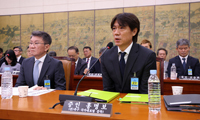
- ‘청문회 출석’ 나란히 고개 숙인 정몽규·홍명보 “기대에 미치지 못해 송구스럽다”
- ‘사구 후유증 없었다’ 이정후, 멀티히트-3타점 맹타... 타율 0.302 사수 [SF 리뷰]
- ‘황당’ 저녁 먹으러 국경까지 넘었다, 김시우 “통행료가 왜 이렇게 비싼가 했더니...”
- 손흥민, 첫 MLS 올스타전서 MVP 영예 “역사상 가장 빠른 멀티골”
- MLS 올스타 ‘캡틴’ 손흥민, 3분 만에 2골 쾅!…별 중의 별 우뚝
close

- 여름만 되면 오스트리아인들이 찾는 ‘물 탄 와인’
- 해녀가 배우 되는 식당… 제주에서 만난 특별한 한 끼
- 슬기로운시니어생활 62회
- 까다로운 우리밀 100%… 10년 인내로 구워낸 빵
- “지금 당장 냉동실에 넣어라” 모르고 그냥 두면 영양 손해
- “반숙 즐겨 먹는데 어쩌나”…7월엔 계란 하나 먹을 때도 조심해야
close

- 8월1일부터 UC 지원서 작성 시작… 12월1일까지 제출해야
- AI (Artificial Intelligence)에 대한 지속적인 배움
- “천정부지 학비증가 이제 감당 어려워”
- “대학을 몇 개나 지원해야 안전할까?”
- AI, 도우미는 OK, 대필은 NO
- 15세 졸업·43세 최고 졸업생… 올해 UC 졸업생 감동 스토리
close

- 20년 만에 등장한 새로운 고혈압 치료
- 위 잘라내야 안심?… 수술 없이 위암 완치 앞당기는 방법
- [건강포커스] “식사 시간 하루 8~9시간으로 줄였더니…노년기 인지기능 개선”
- “팬데믹 이전 수준으로 돌아갔다” 깜짝… 소아감염병 발생률 재상승
- 입맛 없는데 몸무게는 늘고 피곤하다면…‘갑상선 위기’
- “나잇살 안 찌려고 무지방만 먹었는데”… 심장에‘독’될 수 있다는 경고 나왔다
close

- ‘마법사 도서관’이 현실에… 빈의 ‘숨은 방’을 찾아서
- 죽은 아내와의 약속, 봉인된 과거, 사라진 딸
- 결혼이라는 타인, 낯선 이웃이 던진 질문 ‘웃다가 아프다’
- ‘센과 치히로’ 부모가 돼지 된 그 거리… 제주에도 있습니다
- 이슬람혁명 이후 억압에 저항… 여성들 여권신장 등 이야기 담아
- 미로를 헤매는 느낌 속, 희미한 빛의 초현실적 드라마
close

- 상반기 주택 압류 21% 급증… 2019년 이후 최고
- 집값 올랐는데 집 사기 쉬워졌다?… 소득이 집값 추월
- 교육과 생활, 미래가치를 품은 도시 ‘풀러튼’
- “올 하반기 부동산 시장, 기다리는 것이 정답일까?”
- 눈 깜짝할 사이에 끝… 요즘 대세 ‘마이크로 이사’
- 소득의 30% 렌트비 공식… 이젠 현실과 맞지 않는다
close

- 권유리, 19년만 SM 떠난다.. “소녀시대 활동은 계속”
- 코르티스, 힙합 전설 주시 제이 손잡았다..신곡 ‘MOTION (feat. Juicy J)’ 깜짝 발표
- 류준열X설경구 쫓고 쫓긴다..넷플릭스 ‘들쥐’, 8월 28일 공개
- 故 김수미 흐뭇할 소식..며느리 서효림, 김치 사업 잇는다 “배추 들고 세계로”
- 5년만에 돌아온 ‘스파이더맨’, 입소문 폭발..이틀만에 113만명
- 김수현, 故김새론 그루밍 의혹도 벗었다..변호인 “당연한 결과”
close
The Overlooked Half of Health


Stephanie Song 학생기자 서니힐스 고교 9학년
According to the World Health Organization, mental health conditions are among the leading causes of disability worldwide, affecting how individuals think, function, and interact with others. Chronic stress alone can alter how the brain functions, weaken the immune system, and increase the risk of physical illness. Still, attention to mental health often arrives too late. When mental health is neglected, the consequences can ripple through every aspect of life. Public conversation tends to intensify only after tragedy- when cases of suicide or acts of violence force communities to confront what had previously gone unnoticed. In those moments, questions arise: Were there any signs? Could something have been done to prevent it? But as time passes, urgency fades, and the cycle repeats itself.
Yet despite its global impact, mental health has historically received less attention, less funding, and less urgency than physical health. Traditionally, society has treated mental health reactively. Help is offered only after someone reaches a breaking point. A more effective approach begins with prevention. What if mental health were taught, supported, and normalized from the beginning? Just as students learn about nutrition and exercise, they could learn how to manage stress, regulate emotions, and seek help without fear or shame. This is not a radical idea, but a necessary one. Psychological research emphasizes the importance of introducing mental health education at a young age, as it has the potential to change entire life trajectories. Children who understand their emotions are more likely to develop resilience during challenges, build healthier relationships, avoid harmful coping mechanisms, and carry balanced habits into adulthood. Mental health is cumulative; the earlier it is supported, the stronger it becomes.



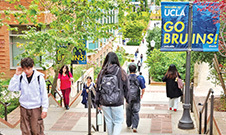
In recent years, countries such as South Korea have begun to reflect this shift by exploring ways to incorporate mental health awareness into school systems. These efforts recognize that academic success alone does not ensure a healthy life. Instead, students must also be equipped with the skills to navigate internal challenges- ones that may not be visible, but are still deeply influential. Equally important is addressing the stigma that surrounds mental health. For generations, emotional struggles have been dismissed or hidden, reinforcing the idea that they should be endured rather than expressed. This silence has prevented many from seeking the support they need, allowing issues to grow more severe over time. However, as awareness increases, particularly among younger generations, this perception is gradually changing.
Seeking support should be normalized, and understanding should replace judgment. Most importantly, people no longer have to struggle in silence. If society truly values health, it cannot continue to treat the mind as an afterthought. Recognizing mental health as an essential part of overall well-being requires more than attention in moments of crisis. It requires consistent awareness, early support, and a willingness to look beyond what is immediately visible.
Because the most important struggles are often the ones no one sees.
<Stephanie Song 학생기자 서니힐스 고교 9학년>

로컬뉴스
more
“인생에 조언이 필요한가요?”
빠르고 각박하게 돌아가는 현대 생활 속에서 인간의 본질을 되새기는 특별한 철학 강좌가 마련된다.한미가정상담소(이사장 수잔 최)는 내달 29일(…

“아름다운 작품 선보여요” ‘사진 러브’ 사진 전시회
오렌지 카운티를 중심으로 활발하게 활동하고 있는 한인 사진 동우회 ‘사진 러브’(회장 남상국)는 내달 8일(토)부터 14일(금)까지 샤토 갤러…
KCS 무료 시민권 신청 지원 행사
‘코리안 커뮤니티 서비스’(KCS 대표 앨런 안, 관장 김광호)는 내일(1일) 오전 9시부터 오후 4시까지 부에나팍에 있는 사무실(8352 C…
어바인 새 시 매니저 임명…숀 조이스 8월10일부…
어바인 시의회는 지난 28일 미팅에서 8월 10일 자로 시 매니저에 숀 조이스를 임명했다.그는 30년 넘게 공직 생활을 하고 은퇴를 앞둔 숀 …
어바인 초등 태권도 교육 논의
‘캘리포니아 태권도 위원회’의 김진섭 위원장은 지난 27일 어바인 시의회에서 멜린다 리우 시의원(제1지구)와 미팅을 갖고 어바인 초등학교에 태…
사람·사람들
more
“노인 건강·돌봄 한곳서”
고령화 사회가 빠르게 진행되면서 단순한 돌봄을 넘어 건강관리와 재활을 결합한 전문 케어의 중요성이 커지고 있다. 한인 최대 비영리 의료·복지기…

문화원 국악시리즈 ‘민속음악’ 공연 성료
LA 한국문화원(원장 이해돈)이 개최한 2026년 ‘소리로 만나는 국악’ 시리즈의 두 번째 공연‘민속음악-흥과 멋의 향연’이 지난 29일 문화…
한인회, 내달 7일 푸드뱅크 한국 식료품 무료 배…
LA 한인회(회장 로버트 안)가 경기 침체와 물가 상승으로 어려움을 겪는 한인들을 지원하기 위해 오는 8월7일(금) 오전 10시부터 푸드뱅크 …
LA평통, 청소년 봉사단체와 통일교육 협력 MOU
민주평통 LA협의회(회장 장병우)는 지난 27일 청소년 봉사단체 ‘헬프 온더 고’(Help on the Go)와 미래세대 통일교육 및 올바른 …
일사회 정기모임, 이하성 박사 특강
전-현직 민주평통자문위원들의 모임인 일사회(회장 박철웅) 정기모임이 지난 28일 용수산에서 열렸다. 이날 모임에서는 남가주 폭염 속에 건강을 …
한국일보 안내광고
- 렌트/리스/하숙
- 구인구직
- 중고차
- 전문업체



- 1
 ‘트럼프 여권’을 너도나도 사고 싶어 난리?…
 - 2
 “월급만으로 못 살아” 부업으로 월 7000…
 - 3
 스페인 세우타 ‘수만명 월경’ 사태 진정…대…
 - 4
 아르헨서 내년부터 원유 수입…이중과세 방지협…
 - 5
 “美·이, 주말 이란 에너지시설 공습계획”……
 - 6
 한국과 미국 출·입국… 이젠 신속하고 편리하…
 - 7
 “美·이, 주말 이란 에너지시설 공습계획”……
 - 8
 보수화하는 남미…브라질 좌파 생존전략은 ‘8…
 - 9
 ‘그야말로 국제망신’ 축구협회 국회 청문회 …
 - 10
 오픈AI, GPT 모델 통제이탈 사례 추가 …
- 11
 “전 세계적 반발에 백기”…FIFA, 민간에…
 - 12“‘7년 이상 거주’ 영주권 취득 기회 허용”
- 13
 김고은, 대상 수상 후 눈물의 소감.. “매…
 - 14
 한국서‘한 달 살아보기’해보세요
 - 15
 ‘17kg 감량’ 김민하, 오프닝 무대서 가…
 - 16
 GPT 이어 클로드도 외부기관 해킹 드러나……
 - 17
 “사망자 속출하는데 술잔 돌렸다”…日 강진 …
 - 18
 “워시, 1년에 8번 열어온 연준 금리결정 …
 - 19
 애니 ‘케이팝 데몬 헌터스’, 만화·아동소설…
 - 20
 딥시크, 中 네이멍구에 대규모 AI 데이터센…
- 21
 이게 잘 팔릴 줄 몰랐는데… “중국인들 덕분…
 - 22
 미군 “이란 호르무즈 폐쇄 주장은 거짓…對이…
 - 23
 ‘최고 154㎞’ LAD 장현석, 6이닝 무…
 - 24
 한국내 은행 이용 편리해진다
 - 25
 F-35B 전투기, 샌디에이고 기지서 추락……
 - 26
 “이런 고통은 처음” 갑자기 배 움켜쥔 中 …
 - 27
 ‘은퇴 선언’ 장동주, 크리에이터로 새출발.…
 - 28
 트럼프 “이란 강하게 타격할 것…이란 거짓말…
 - 29LI서 ‘차량번호판 활용 이민단속’ 파장
- 30
 착각하기 쉬운 은퇴 세금 이야기









오피니언

LA 치안 심각… 경찰 확충 최우선 과제
-
선을 넘은 국내선 이민 단속
 김현수 / 서울경제 논설위원
[만화경] 지진과 반도체
 이상희 UC 리버사이드 교수 인류학
 메뚜기와 번데기
- 한영일 서울경제 논설위원
[목요일 아침에] 멀어지는 머니무브
-
[새벽빛 편지] 왕이 던진 세 가지 질문
- 성민희 수필비평·소설가
[윌셔에서] 마지막 배웅
- 양홍주 / 한국일보 논설위원
[지평선] 교통지옥이 된 서울 대형병원
-
[왈가 왈부] 청 “정성호 법무 사의 없다”… 보완수사권 입장은 무엇인가요
지사별 뉴스

한국 도착한 미셸 스틸 주한미국대사
미셸 스틸(한국명 박은주) 신임 주한미국대사가 한국시간 30일 인천국제공항 제2여객터미널을 통해 입국하며 인사하고 있다. 미셸 스틸 대사 왼쪽…
“‘7년 이상 거주’ 영주권 취득 기회 허용”

VA 1회용 스티로폼 전면 퇴출
버지니아주가 지난 1일부터 주내 모든 식당에서의 1회용 스티로폼 사용 금지가 전면 시행 중인 가운데 애난데일 지역 일부 한식당에서 아직도 1회…
내달 4일 예비선거 앞둔 VA 유권자들 “최대 관심사는 경제”

“美·이, 주말 이란 에너지시설 공습계획”…전쟁 격화 가능성
미국과 이스라엘이 이번 주말(8월 1∼2일) 이란의 에너지 인프라를 대상으로 역대 가장 강력한 공습 작전 중 하나를 계획 중이라고 CBS 방송…
“트럼프정부, 외국인 졸업생에 ‘美 취업수수료’ 10만 달러 검토”















 | ||
|



- 로그인
- 회원가입
Koreatimes.com 서비스는 Ktown1st.com과 통합계정입니다. 계정이 없으신 분은 회원가입을 해 주세요.
.png)



댓글 안에 당신의 성숙함도 담아 주세요.
'오늘의 한마디'는 기사에 대하여 자신의 생각을 말하고 남의 생각을 들으며 서로 다양한 의견을 나누는 공간입니다. 그러나 간혹 불건전한 내용을 올리시는 분들이 계셔서 건전한 인터넷문화 정착을 위해 아래와 같은 운영원칙을 적용합니다.
자체 모니터링을 통해 아래에 해당하는 내용이 포함된 댓글이 발견되면 예고없이 삭제 조치를 하겠습니다.
불건전한 댓글을 올리거나, 이름에 비속어 및 상대방의 불쾌감을 주는 단어를 사용, 유명인 또는 특정 일반인을 사칭하는 경우 이용에 대한 차단 제재를 받을 수 있습니다. 차단될 경우, 일주일간 댓글을 달수 없게 됩니다.
명예훼손, 개인정보 유출, 욕설 등 법률에 위반되는 댓글은 관계 법령에 의거 민형사상 처벌을 받을 수 있으니 이용에 주의를 부탁드립니다.
Close
x